
Forestry Mulching in Central Kentucky
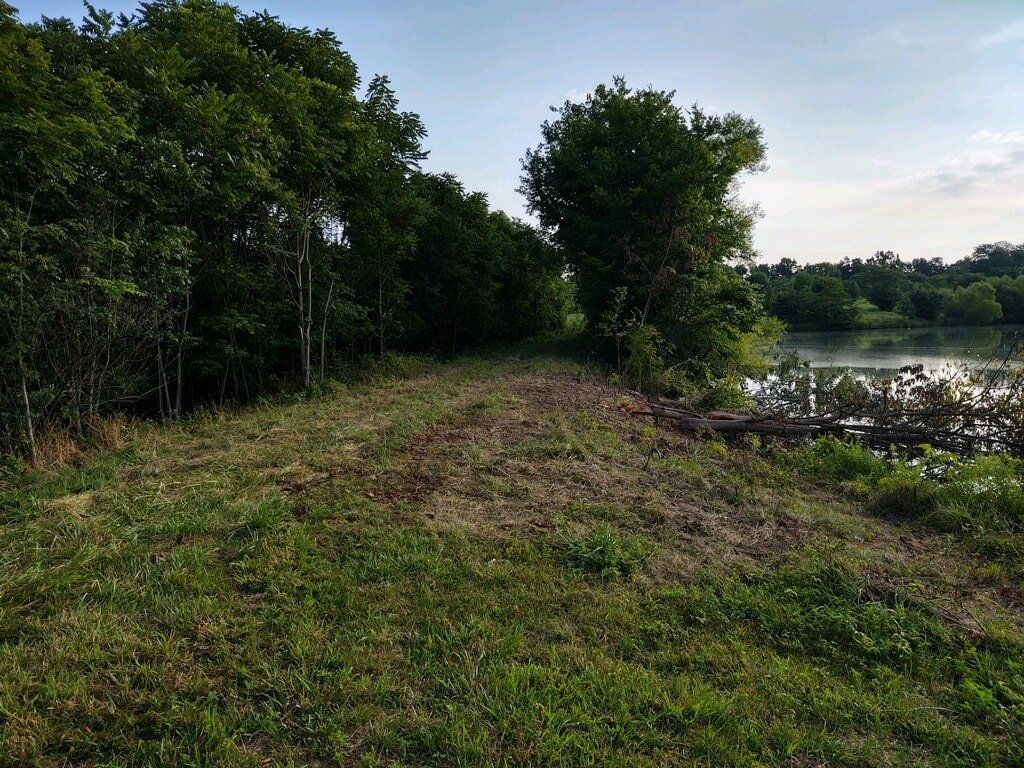
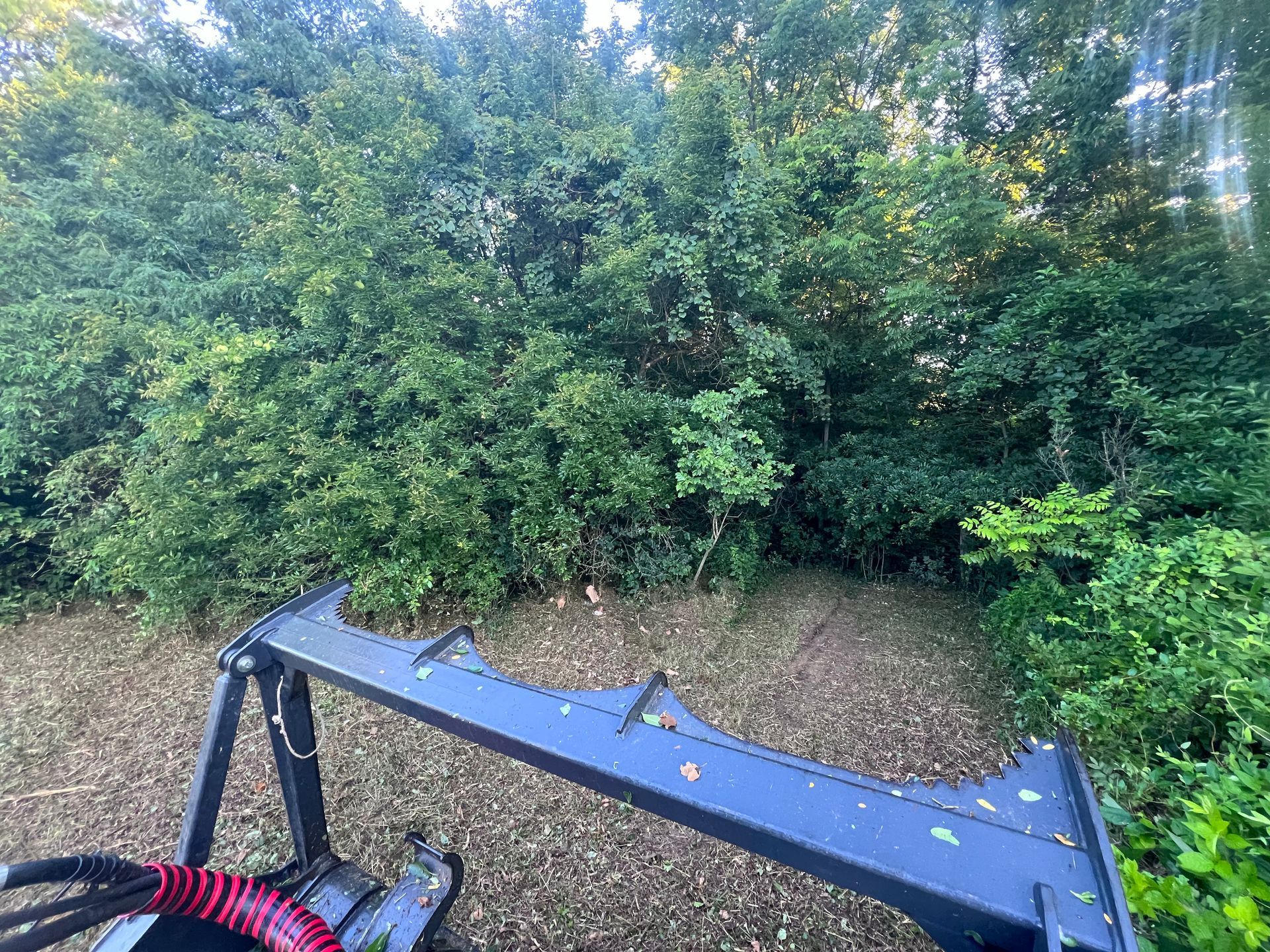
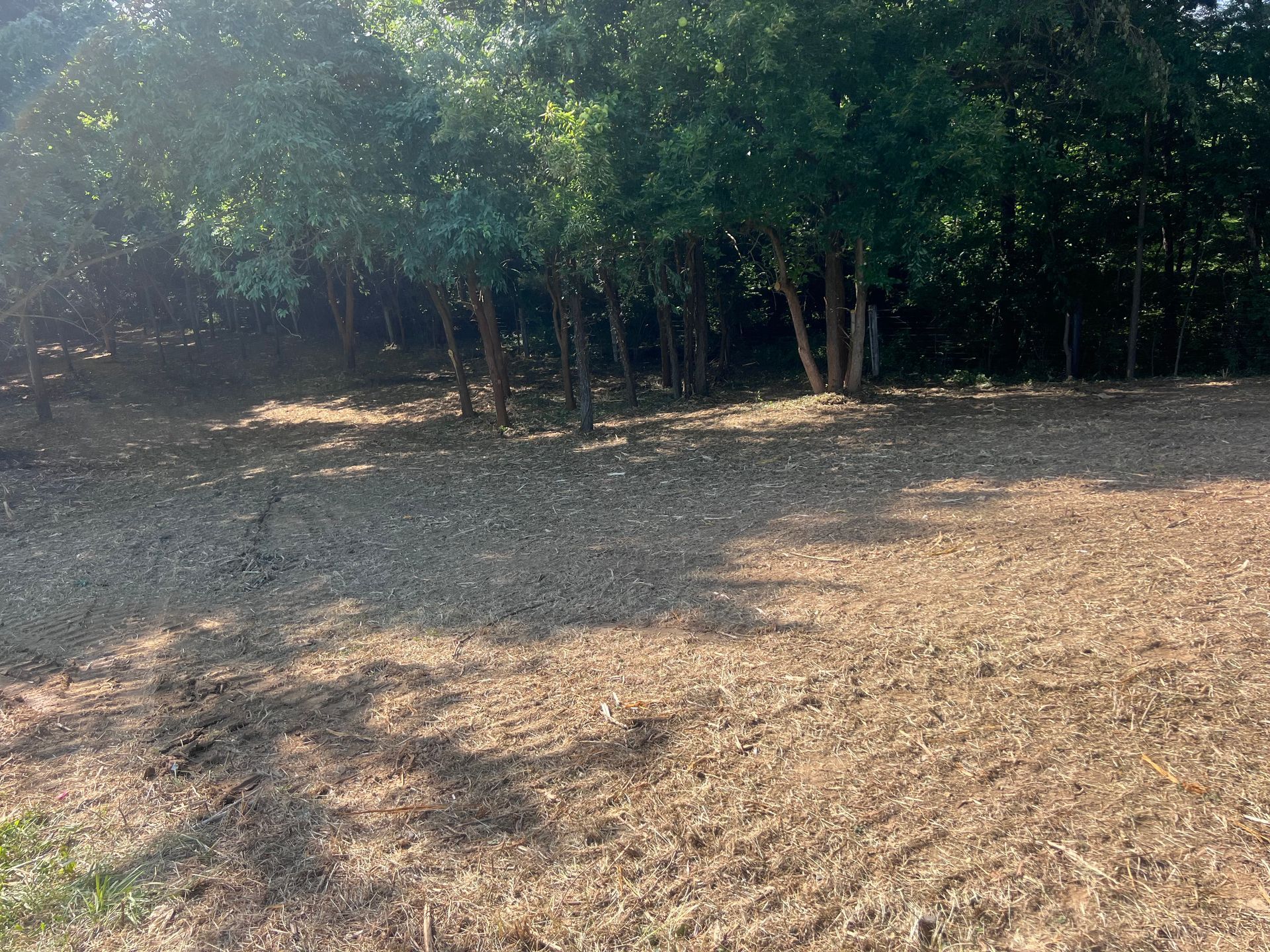
If your land has gotten away from you — brush head-high, cedars and honeysuckle taking over, fence lines disappearing — forestry mulching is usually the fastest way to take it back. Instead of a crew of machines, one mulcher does the cutting, grinding, and clearing where the growth stands, leaving the ground covered in a fresh blanket of mulch. No burning, no hauling, no scarred-up ground.
Why people choose mulching
One machine instead of many. There's no need for bulldozers, hauling equipment, and wood chippers all tearing up your property — the mulcher handles the whole job, which keeps it faster and more affordable than push-and-burn clearing.
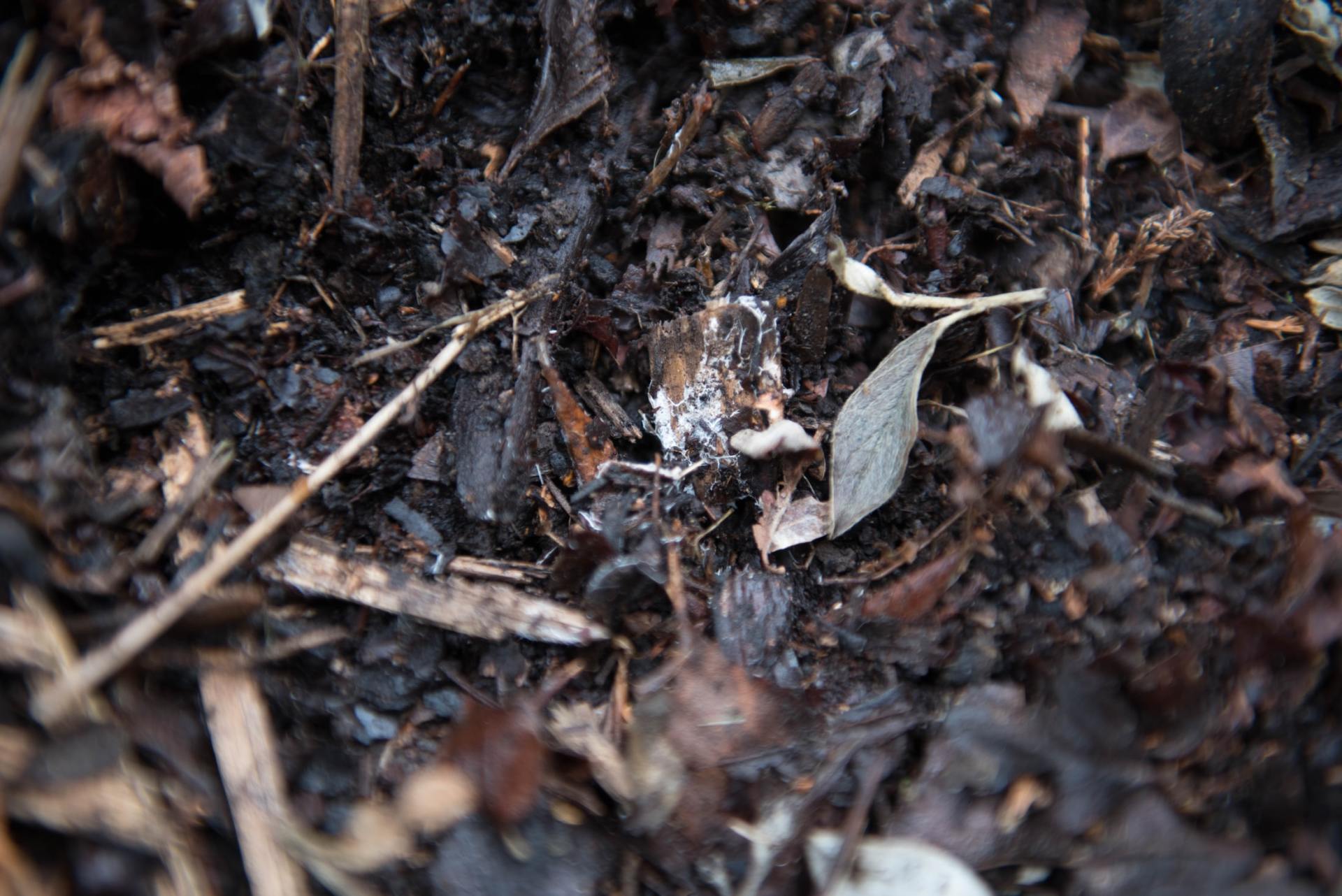
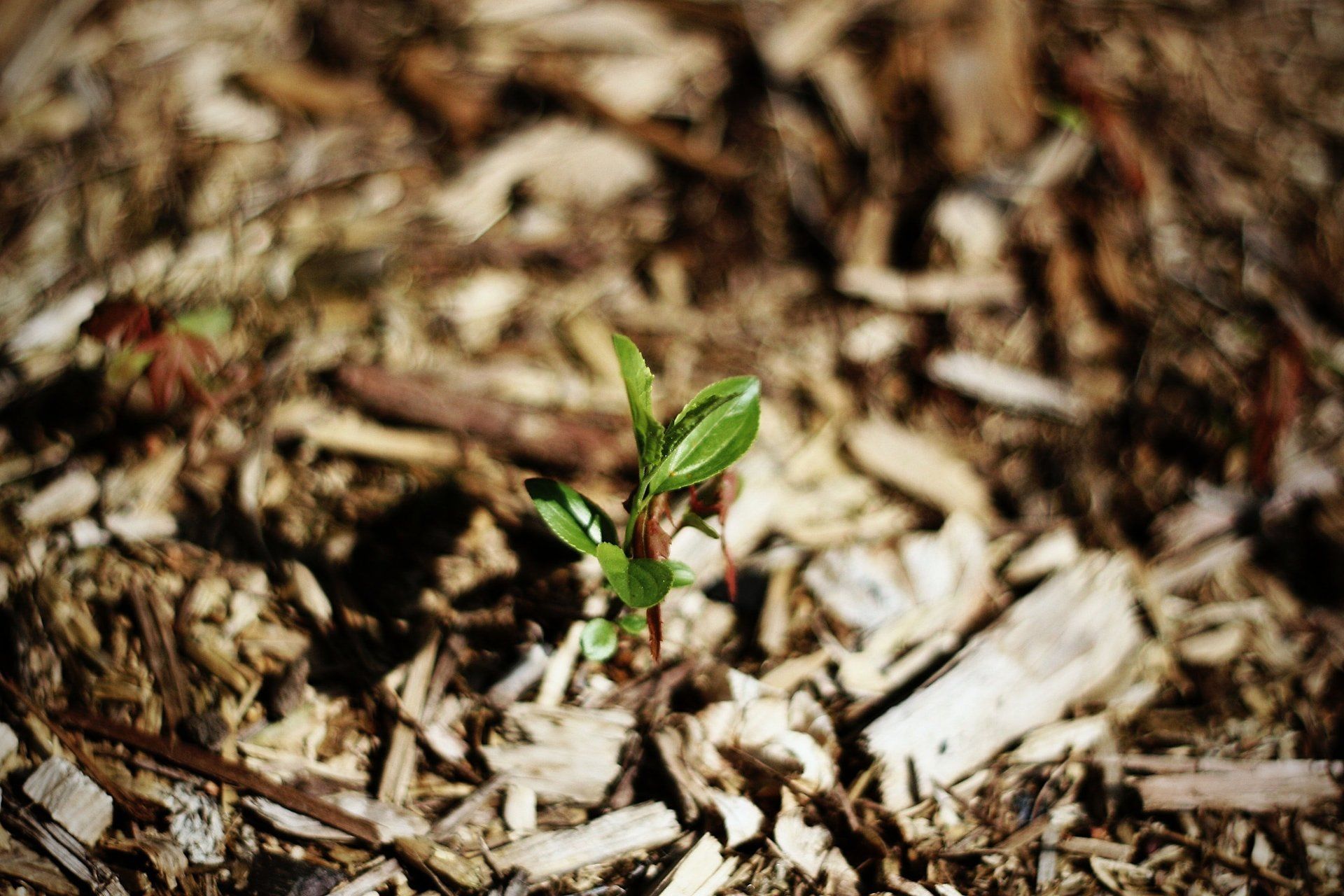
The land keeps what it grew. The mulch left behind breaks down into the soil and feeds it, acts as a protective barrier against the elements, holds the ground stable, cuts erosion, and gives native plants a better place to come back. What was choking your land ends up improving it.
It works where other methods struggle. Tough terrain, steep slopes, wet conditions — mulching handles ground that would stop or badly scar a dozer job.
What it's good for
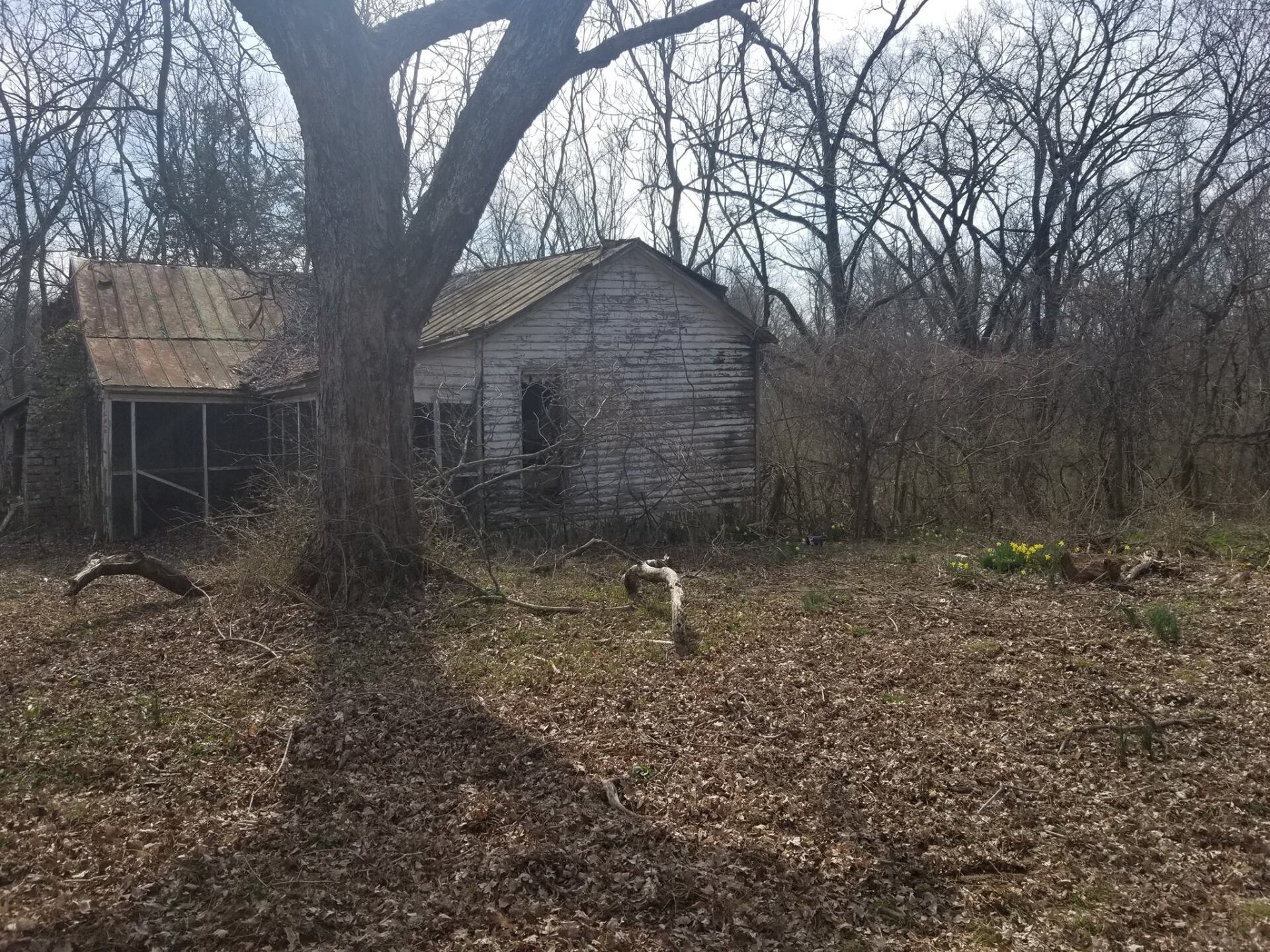
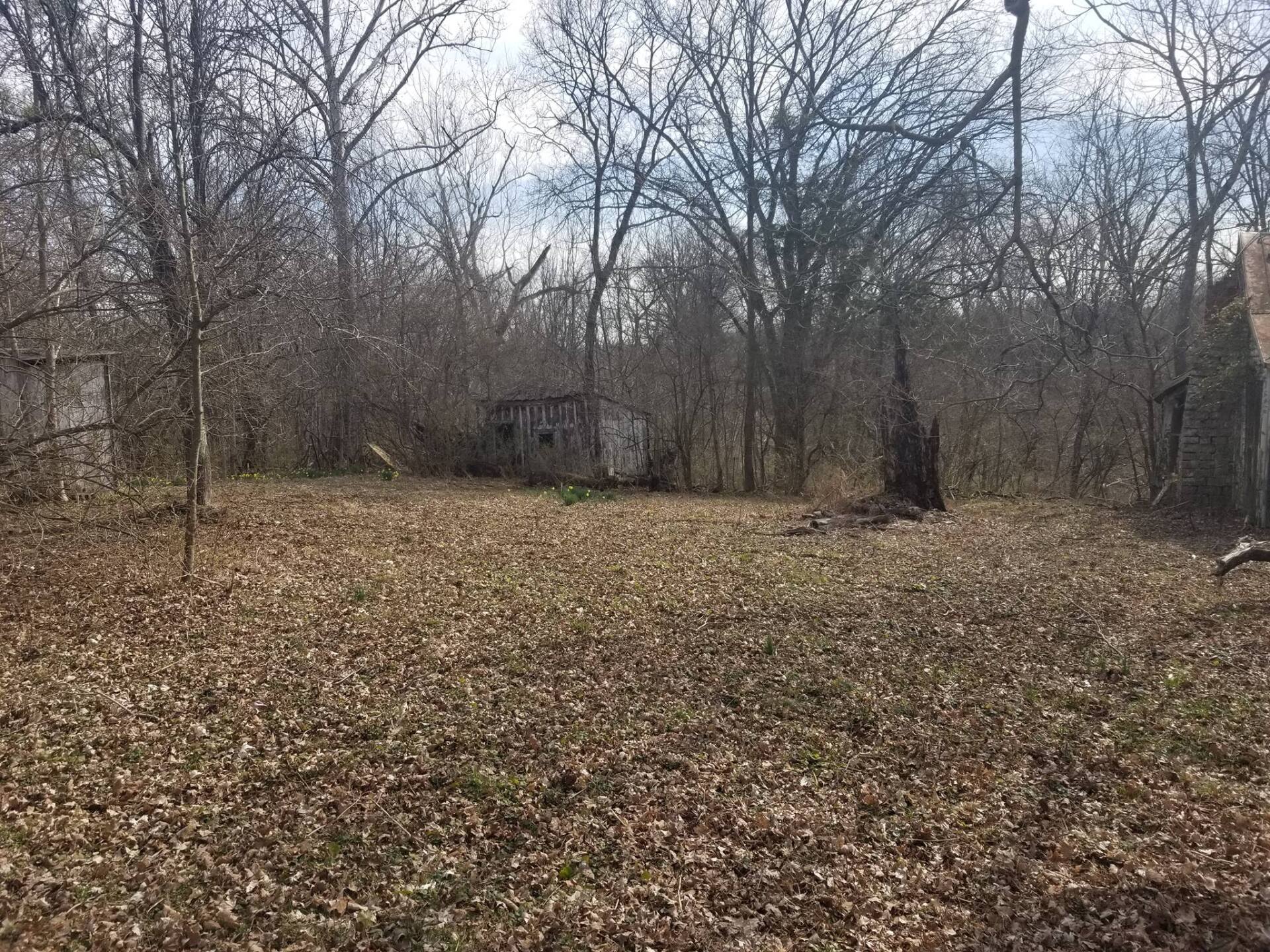
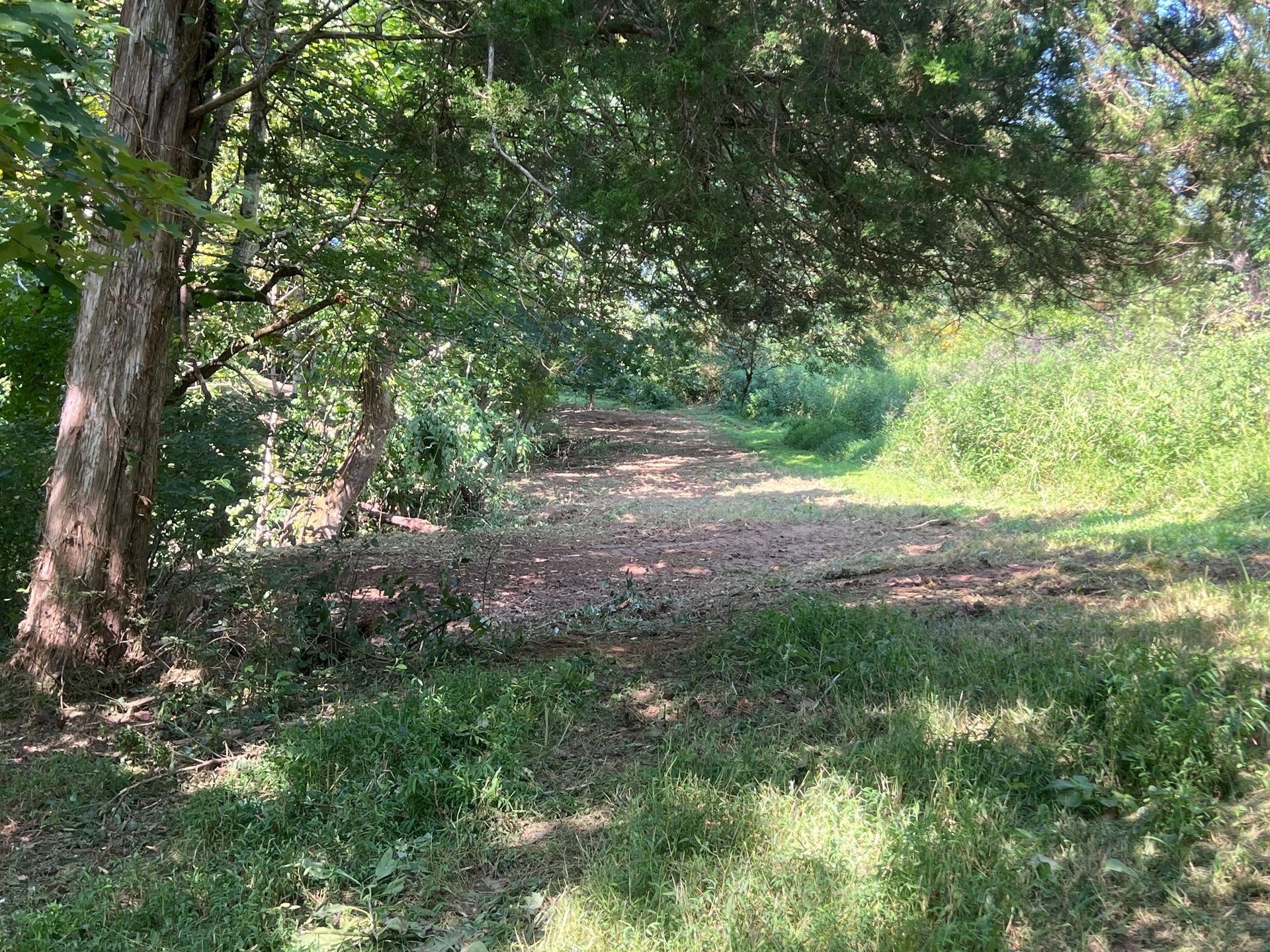
Reclaiming overgrown pasture. Clearing underbrush so you can walk or hunt your own woods again. Opening fence lines and property boundaries. Clearing building sites and trails. Knocking back cedar and invasive growth before it becomes a bigger, more expensive problem.
What a job looks like
You call or send the form below. We come look at the property, walk it with you, and give you a straight price — free, no obligation. Every property is different, so we'll tell you honestly what your land needs and how long it'll take when we see it. We take jobs of all sizes
— big and small.
Where we work
We're based in Taylorsville and mulch across Central Kentucky — Mt Washington, Shepherdsville, Shelbyville, Fisherville, Louisville — and travel up to two hours out, including Bardstown, Elizabethtown, La Grange, Lexington, Georgetown and Richmond.
Schedule Your Free Estimate
Contact Us
FAQ's
What can a mulcher handle?
Brush, saplings, and trees up to about 8 inches across mulch cleanly where they stand. Bigger trees call for a different approach — we'll tell you which is which when we walk your property.
Does the mulch have to be hauled away?
No — that's the point. It stays as ground cover, protects the soil, cuts down on mud and erosion, and breaks down to feed the ground over time.
Will the brush just grow back?
Slower than you'd think. Mulching cuts growth at ground level and the mulch layer suppresses regrowth while it breaks down. An occasional touch-up pass keeps reclaimed ground clear — much less work than the first clearing.
Is mulching bad for the land?
It's the gentler option. The topsoil stays put and the mulch protects it — which is why farms and hunting properties often prefer it over dozer clearing.
Can you work steep or rough ground?
That's where mulching shines. Steep slopes, tough terrain, wet conditions — the equipment is built for ground that stops other methods.